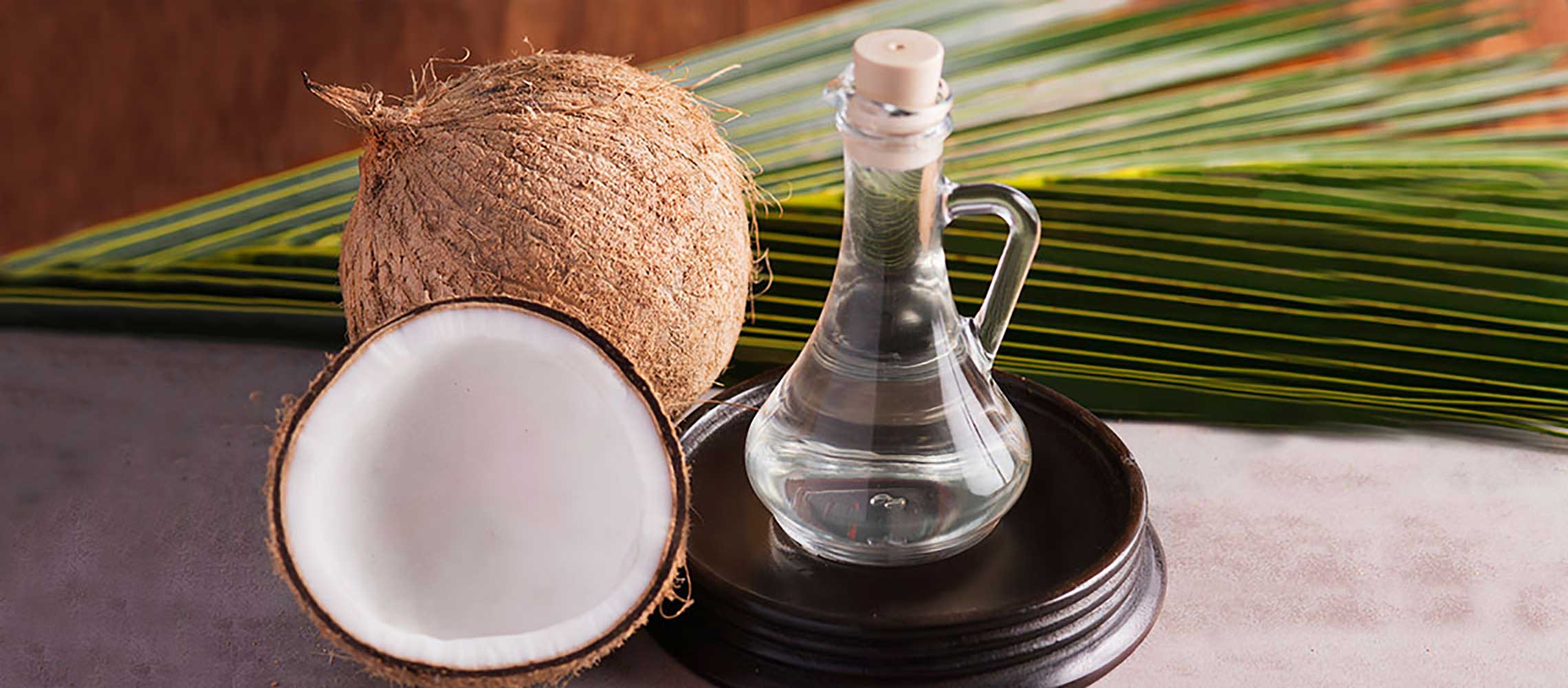
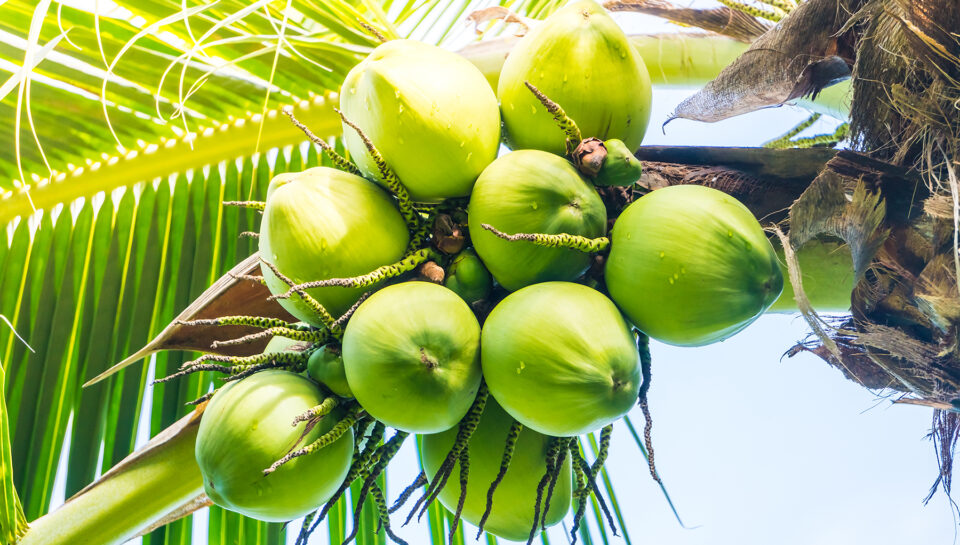
C oconut has been cherished for centuries across tropical regions for its incredible nutritional, medicinal, and environmental value. Often called the “Tree of Life,” every part of the coconut tree serves a purpose—from its fruit and water to its oil, shell, husk, and leaves. In today’s world of rising health concerns and environmental challenges, coconut stands out as a natural solution that supports both human wellness and sustainable living.
This powerful natural resource is not just a food item but a complete lifestyle ingredient that contributes to health, economy, and ecological balance.
The Nutritional Power of Coconut
Coconut is rich in essential nutrients that support overall body function. It contains healthy fats, dietary fiber, vitamins such as C, E, and several B-complex vitamins, along with important minerals like potassium, magnesium, iron, and zinc. The medium-chain fatty acids (MCFAs) present in coconut are easily digested and quickly converted into energy, making it an excellent natural energy booster.
Unlike many processed foods that provide empty calories, coconut offers clean, plant-based nutrition that nourishes the body from within.
Coconut for Natural Health & Wellness
Coconut plays a major role in promoting natural health. Coconut oil is known for its antibacterial, antiviral, and antifungal properties, which help strengthen the immune system and protect the body from infections. It supports better digestion, improves gut health, and helps in detoxifying the body naturally.
Coconut also plays an important role in skin and hair care. Coconut oil deeply moisturizes the skin, repairs damaged hair, reduces dandruff, and protects against dryness and premature aging. This is why coconut has been used for beauty and personal care in traditional medicine for generations.
Coconut water is a powerful natural electrolyte that keeps the body hydrated, supports heart health, and helps regulate blood pressure. Tender coconut water is especially beneficial for digestion, metabolism, and post-workout recovery.

"Pure coconut goodness crafted with care, bringing natural freshness, quality, and wellness to your everyday life."
Kathryn Murphy
“Experience the richness of coconut through thoughtfully crafted products designed for health and harmony.”
Oliver Spiteri
Coconut and Sustainable Living
Beyond health, coconut is a true champion of sustainability. Coconut trees require minimal chemical inputs, grow naturally in tropical climates, and support eco-friendly farming systems. Almost every part of the coconut is usable, leaving very little waste behind.
Coconut shells are used to produce activated carbon, handicrafts, fuel, and eco-friendly products. Coconut husk is converted into coir, which is widely used for ropes, mats, brushes, mattresses, and gardening products. Even coconut leaves are used for roofing and rural construction. This zero-waste nature makes coconut one of the most sustainable crops in the world.
Economic Value and Rural Livelihood Support
The coconut industry supports millions of farmers, small businesses, and rural communities across India and many other countries. From farming and processing to value-added products like virgin coconut oil, coconut sugar, coconut flour, charcoal, and coir products, coconut creates strong employment opportunities at every level.
By choosing coconut-based products, consumers directly contribute to rural development, small-scale entrepreneurship, and ethical trade practices.
Coconut as a Clean Alternative to Processed Products
In today’s market, coconut is replacing many harmful processed ingredients. Coconut oil is becoming a healthy alternative to refined cooking oils. Coconut sugar is gaining popularity as a natural sweetener with a lower glycemic index compared to refined sugar. Coconut flour is widely used in gluten-free and health-conscious diets.
These natural coconut-based alternatives support clean eating and reduce dependence on highly processed, chemical-based products.
Environmental Protection Through Coconut Farming
Coconut trees help prevent soil erosion, protect coastal ecosystems, and support biodiversity. Their long lifespan and deep root system contribute to carbon sequestration, making coconut farming beneficial for climate balance. Because coconut farming is largely natural and low-impact, it aligns perfectly with the goals of sustainable agriculture and environmental conservation.
From Nature’s Coconut Farms to Your Doorstep—Fresh, Pure & Natural.
In today’s market, coconut is replacing many harmful processed ingredients. Coconut oil is becoming a healthy alternative to refined cooking oils. Coconut sugar is gaining popularity as a natural sweetener with a lower glycemic index compared to refined sugar. Coconut flour is widely used in gluten-free and health-conscious diets.
These natural coconut-based alternatives support clean eating and reduce dependence on highly processed, chemical-based products.