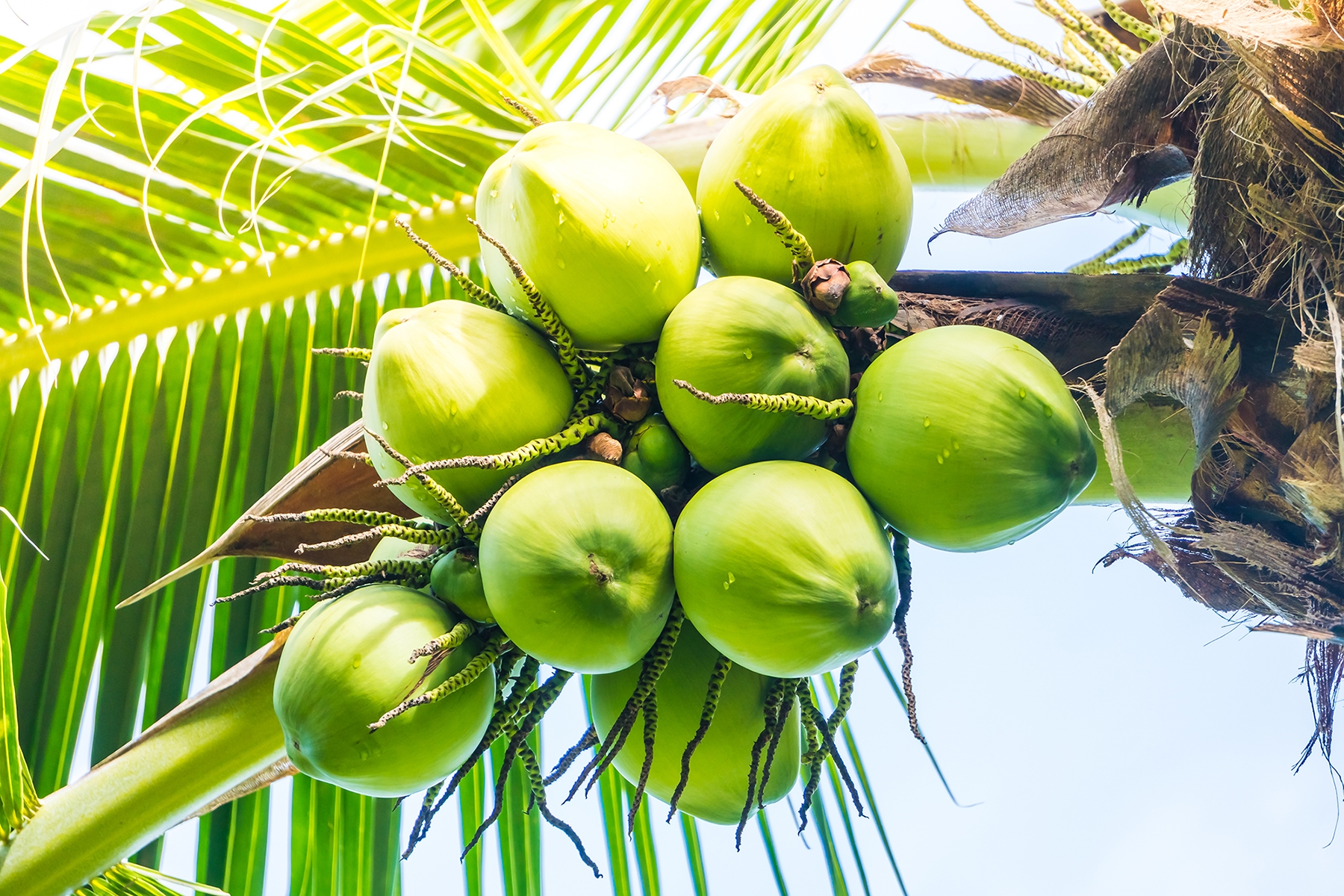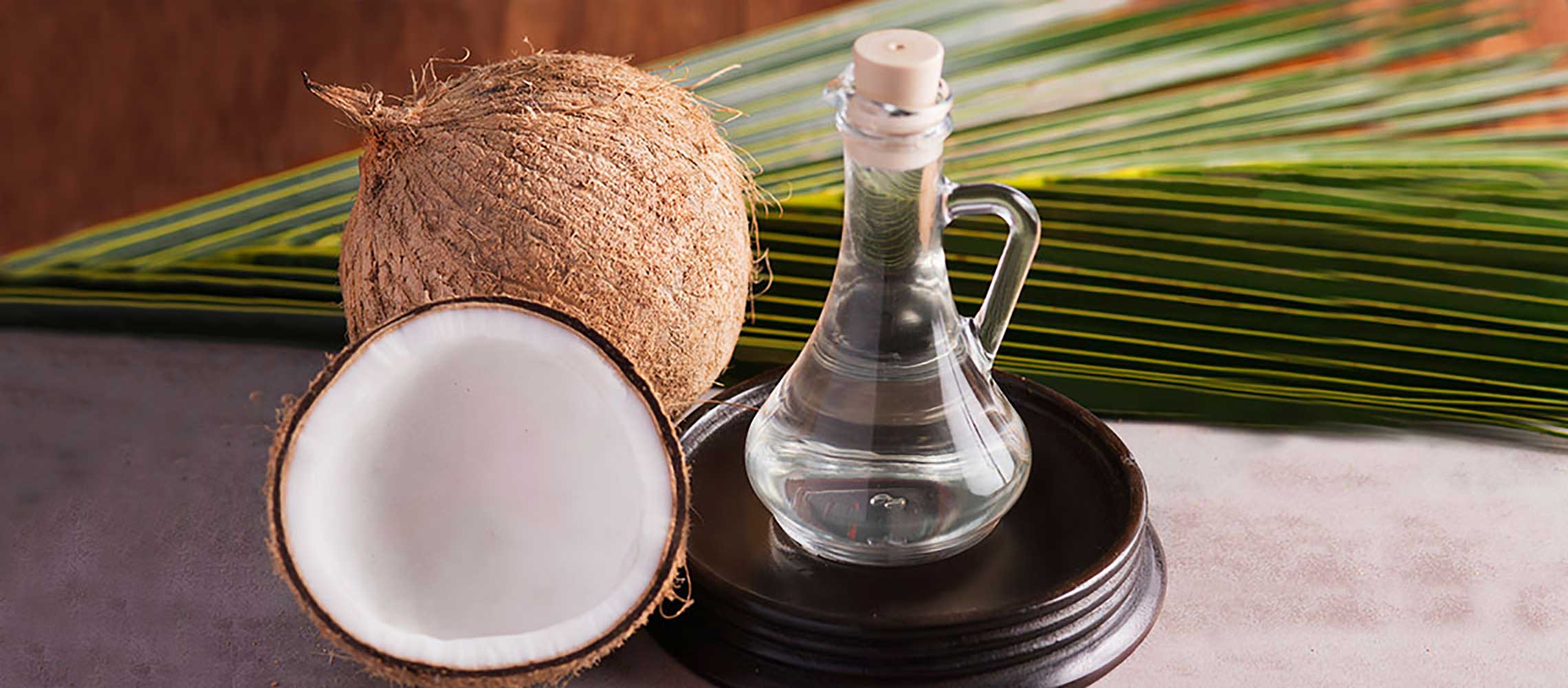
C oir pith, also known as coco peat, is a natural by-product obtained from the processing of coconut husk. Once considered agricultural waste, coir pith has now become one of the most valuable eco-friendly growing media used worldwide. With the increasing focus on sustainable farming, organic gardening, and soil conservation, coir pith has emerged as a powerful natural solution for healthier plants and greener cultivation practices.
Derived entirely from coconut, coir pith represents the true spirit of sustainability by converting waste into a highly useful agricultural resource
What Is Coir Pith?
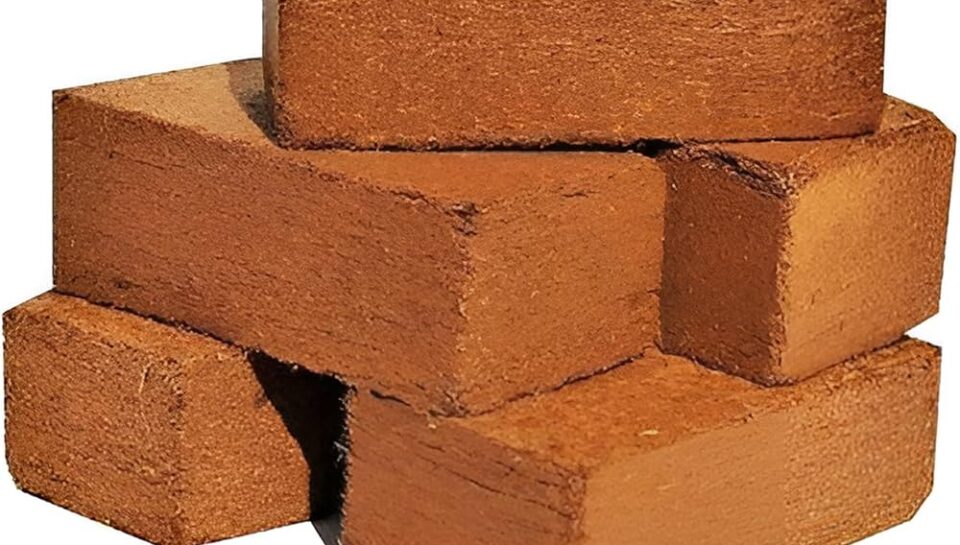
Coir pith is the spongy, lightweight material left after extracting fiber from coconut husk. It has excellent water-holding capacity, superior aeration, and a porous structure that supports healthy root development. After proper washing and processing to remove excess salts, coir pith becomes a clean, renewable, and environmentally safe growing medium.
It is widely used in agriculture, horticulture, nursery farming, landscaping, terrace gardening, and hydroponics.
Powerful Benefits of Coir Pith
One of the biggest advantages of coir pith is its exceptional moisture retention. It can hold water up to eight to ten times its own weight, ensuring that plant roots receive steady hydration even in dry conditions. This significantly reduces water consumption and improves irrigation efficiency.
Coir pith also offers excellent aeration, which helps roots breathe properly and prevents root rot. Its loose structure encourages faster root growth and better nutrient absorption. Being organic in nature, coir pith improves soil texture, enhances microbial activity, and increases overall soil fertility.
Unlike peat moss, coir pith is renewable, biodegradable, and environmentally responsible, making it a superior alternative for sustainable farming.
Coir Pith in Agriculture & Organic Farming
Coir pith is widely used as a soil conditioner in agriculture. It improves sandy soil by increasing moisture retention and loosens heavy clay soil for better aeration. When mixed with compost or organic manure, coir pith enhances crop productivity and root strength.
Organic farmers prefer coir pith because it is chemical-free, eco-friendly, and supports natural farming systems. It is especially useful in vegetable cultivation, fruit plantations, floriculture, and greenhouse farming.
Ideal for Gardening & Nursery Applications
Home gardeners and nursery growers rely heavily on coir pith because of its lightweight nature and easy handling. It is commonly used in potting mix for indoor plants, terrace gardens, hanging plants, seed germination, and sapling growth.
Coir pith provides a stable root environment, maintains proper moisture balance, and supports healthy plant establishment from early growth stages.

“Coir pith has completely transformed my terrace garden. My plants stay healthy, well-rooted, and require less frequent watering.”
Kathryn Luis
“After using coir pith in my fields, soil moisture retention improved significantly and my crop yield increased naturally.”
Ramesh Patel
Coir Pith in Hydroponics & Modern Farming
Coir pith has become one of the most preferred growing media in hydroponic systems. It offers excellent root support, balanced water distribution, and controlled nutrient supply. Since it is sterile, disease-free, and reusable after treatment, coir pith ensures high-yield and clean crop production in soilless farming systems.
Environmental Benefits of Coir Pith
Coir pith plays an important role in environmental protection. It is biodegradable, reduces agricultural waste, and replaces non-renewable growing media. By using coir pith, farmers and gardeners help minimize landfill waste and reduce pressure on natural peat bogs.
Coconut trees also require fewer chemical inputs and grow naturally in tropical regions, making coir pith a low-carbon, eco-sustainable product.
Economic Importance and Rural Livelihoods
The coir pith industry supports millions of rural workers involved in coconut farming, husk processing, fiber extraction, and coir product manufacturing. It generates employment in rural areas and promotes small-scale entrepreneurship through value-added coir products such as bricks, blocks, grow bags, and soil mixes.
By choosing coir pith products, consumers directly contribute to rural development and sustainable livelihood generation.
Why Coir Pith Is the Future of Sustainable Cultivation
With rising water scarcity, soil degradation, and environmental concerns, coir pith provides an ideal solution for modern farming challenges. Its ability to conserve water, improve soil health, support organic farming, and reduce waste makes it one of the most future-ready agricultural inputs available today.