
I n a world increasingly driven by health awareness and sustainability, the farm-to-table movement has emerged as a powerful lifestyle choice. It represents a direct connection between farmers and consumers, where fresh, organic, and responsibly grown food reaches the table with minimal processing and maximum nutrition. Organic food markets play a central role in this movement, offering a vibrant space where purity, freshness, and community come together.
Farm-to-table is not just about food—it is about knowing where your food comes from, how it is grown, and who grows it.
What Does Farm-to-Table Truly Mean?
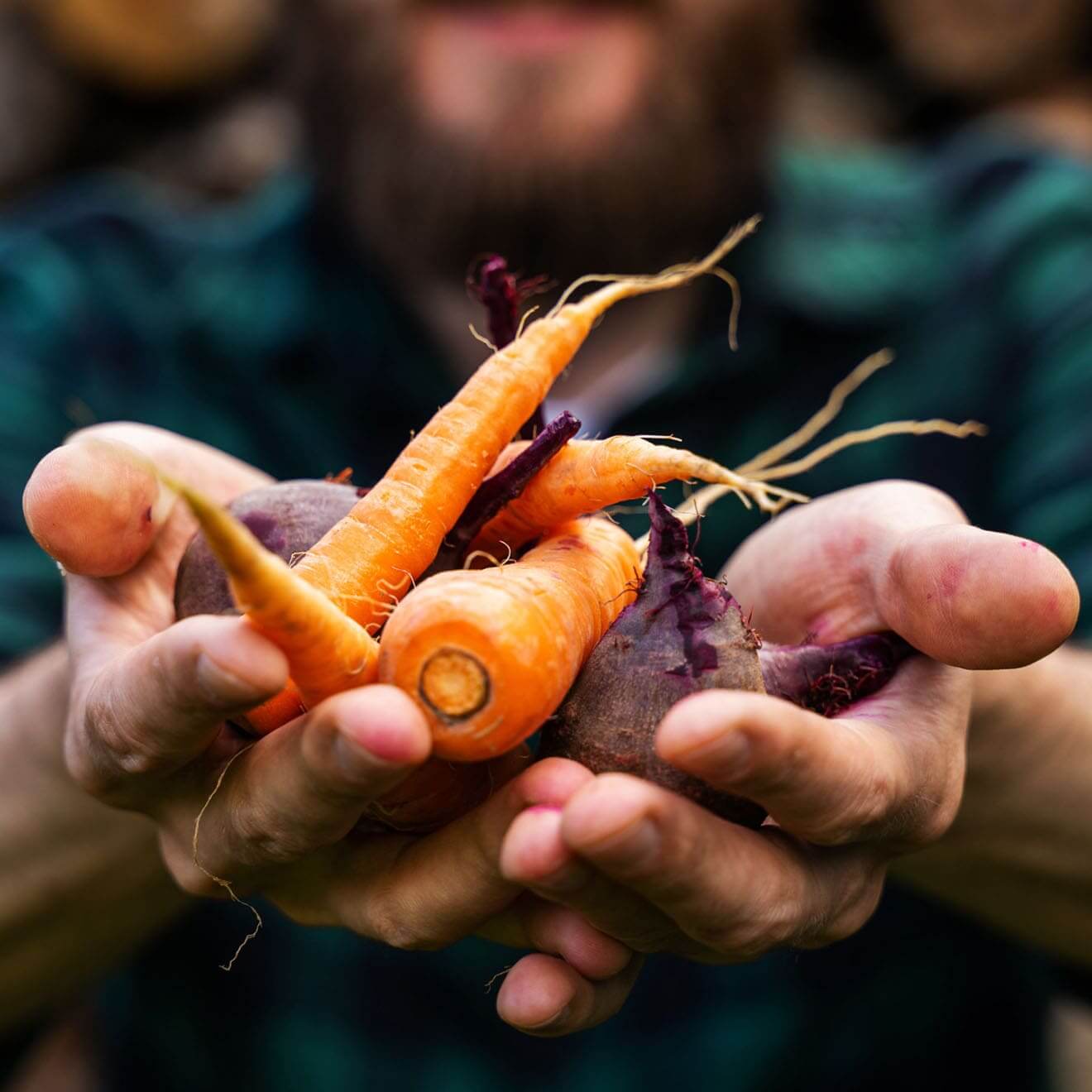
Farm-to-table refers to the direct sourcing of food from farms to consumers without unnecessary middlemen or long storage periods. This approach ensures that food remains fresh, nutrient-rich, and free from excessive preservatives. In organic food markets, this concept comes alive as farmers bring their harvest straight to buyers, creating transparency and trust in the food system.
It allows consumers to interact with growers, understand farming practices, and make informed food choices that support both health and sustainability.
The Freshness and Quality of Organic Food Markets
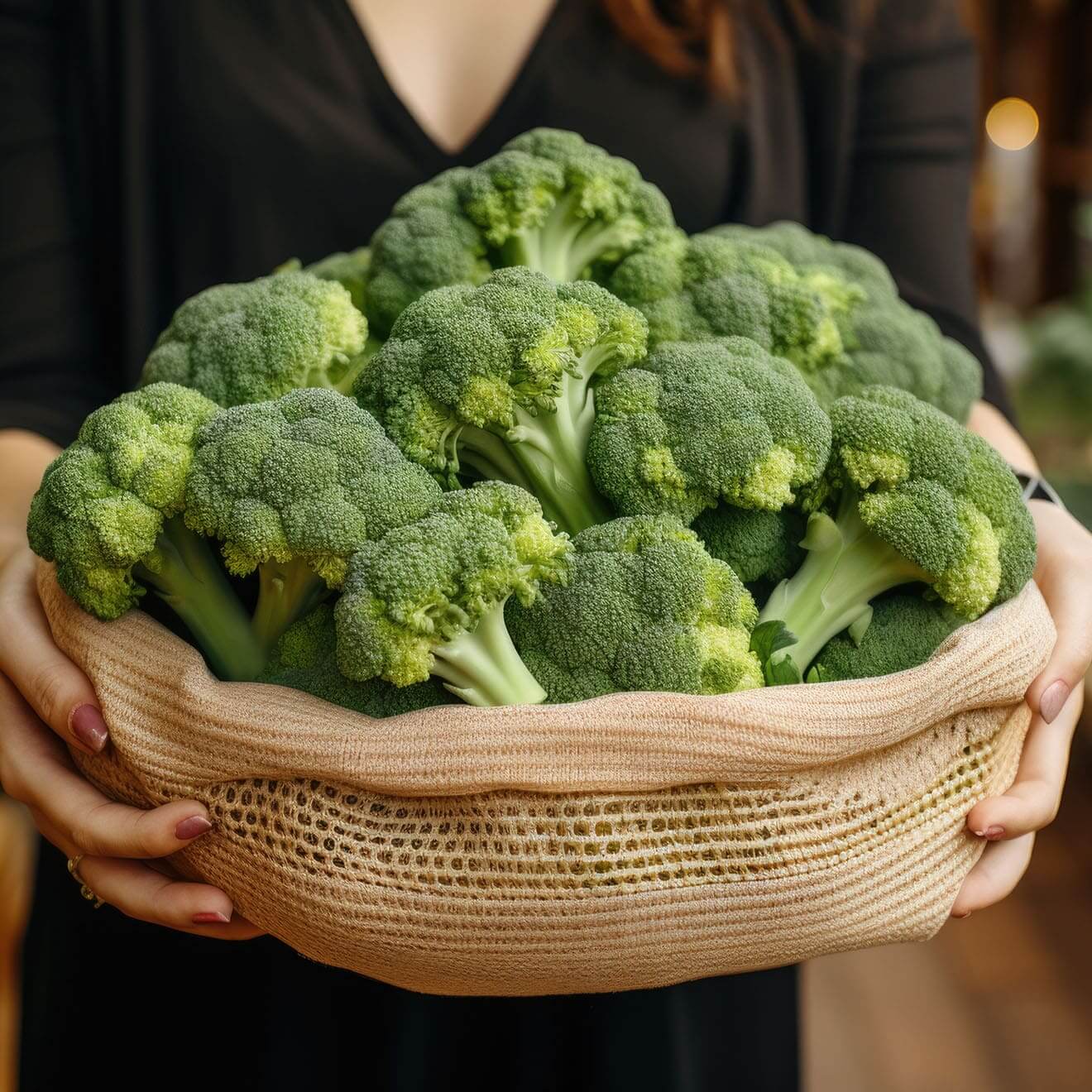
One of the most beautiful aspects of organic food markets is their unmatched freshness. Fruits, vegetables, grains, oils, and natural products are often harvested just hours or days before reaching the market. This freshness preserves flavor, aroma, and nutritional value, offering a superior eating experience compared to long-stored supermarket produce.
Organic food markets also maintain strict quality standards, ensuring that products are free from synthetic chemicals, pesticides, and harmful additives.
A Celebration of Seasonal Eating
Farm-to-table markets naturally encourage seasonal eating. Shoppers find produce that is grown according to nature’s cycle, which not only improves taste but also enhances nutritional value. Seasonal foods are richer in nutrients, easier to digest, and better aligned with the body’s natural needs throughout the year.
This return to seasonal eating reconnects people with nature’s rhythm and promotes a more balanced diet.
Supporting Local Farmers and Rural Communities
Organic food markets provide a powerful platform for small and marginal farmers to sell their produce directly to consumers at fair prices. This direct trade improves farmers’ income, reduces exploitation by middlemen, and strengthens rural economies.
When consumers shop at farm-to-table markets, they actively contribute to farmer welfare, rural employment, and sustainable livelihood generation.
Sustainability at the Heart of Every Purchase
Sustainability is at the core of the farm-to-table movement. By reducing long-distance transportation, cold storage dependency, and excessive packaging, organic food markets significantly lower carbon emissions and environmental impact. Organic farming itself protects soil health, conserves water, and supports biodiversity.
Every farm-to-table purchase becomes an eco-conscious decision that helps protect the planet.

“Shopping at organic farm markets has completely changed the way I eat. The freshness, taste, and trust in the food are unmatched.”
Meera Kulkarni
“Farm-to-table sourcing has improved both the quality of our dishes and our connection with local farmers. Customers truly feel the difference.”
Arjun Patel
The Beauty of Community and Culture
Organic food markets are not just places to shop—they are vibrant community spaces. They bring together farmers, artisans, health-conscious families, chefs, and sustainability advocates. These markets often feature traditional food products, handmade items, and local delicacies, preserving regional food culture and culinary heritage.
This human connection adds emotional value to every purchase and makes food shopping a meaningful experience.
From Traditional Wisdom to Modern Wellness
The farm-to-table lifestyle beautifully blends traditional farming wisdom with modern wellness needs. Ancient natural farming techniques meet today’s clean eating goals, creating a food system that is both rooted in heritage and aligned with future sustainability.
Why Farm-to-Table Matters More Than Ever Today
With rising concerns over food adulteration, chemical exposure, climate change, and farmer distress, the farm-to-table model offers a powerful solution. It restores trust in food, ensures better nutrition, strengthens local economies, and promotes environmental responsibility—all at the same time.