T he organic food industry is evolving faster than ever before as consumers become more health-conscious and environmentally aware. What once started as a niche market has now grown into a global movement focused on clean eating, sustainable farming, and ethical production. With advancements in technology, farming practices, and consumer awareness, the future of organic food looks promising, innovative, and impactful.
Organic food is no longer just about avoiding chemicals—it is about creating a complete ecosystem that supports health, farmers, and the planet.
Growing Demand for Clean and Natural Food
One of the strongest drivers shaping the future of organic food is the rising demand for clean, chemical-free, and naturally grown food. Consumers today carefully read labels, avoid harmful additives, and actively look for organic certifications. This growing awareness is pushing brands and farmers to adopt transparent, traceable, and trustworthy production systems.
As lifestyle diseases increase globally, organic food is increasingly viewed as a preventive health investment rather than just a food preference.
Smart Farming and Technological Advancements
Technology is transforming organic farming in powerful ways. Precision agriculture, drone monitoring, soil sensors, and climate tracking tools are helping farmers grow organic crops more efficiently while conserving water and protecting soil health. Artificial intelligence and data analytics are also being used to predict crop health, manage pests naturally, and improve yield without chemicals.
These smart farming techniques are helping organic agriculture become more scalable, profitable, and sustainable.
Rise of Urban and Vertical Organic Farming
Urban organic farming is emerging as a major trend in the future of food production. Terrace gardens, hydroponic systems, balcony farming, and vertical farms are making organic food accessible even in crowded cities. These controlled growing environments use minimal water, no harmful chemicals, and allow fresh food to be grown close to consumers.
This trend is reducing dependence on long-distance transportation and strengthening local food systems.
Organic Packaged Foods and Ready-to-Eat Products
The future of organic food is also expanding into the convenience segment. Organic ready-to-eat meals, snacks, beverages, baby food, and health supplements are growing rapidly. Consumers want healthy food that also fits their busy lifestyles, and organic brands are responding with clean-label, preservative-free, and nutritionally balanced convenience products.
This shift is making organic food more accessible to working professionals and young families.
Sustainability and Climate-Resilient Farming
Climate change is pushing organic farming to become more resilient and adaptive. The future will see increased use of climate-smart organic practices such as crop rotation, mixed farming, water conservation techniques, composting, and carbon farming. These practices not only protect crops from extreme weather but also improve long-term soil fertility and biodiversity.
Sustainability is no longer optional—it is at the heart of organic innovation.
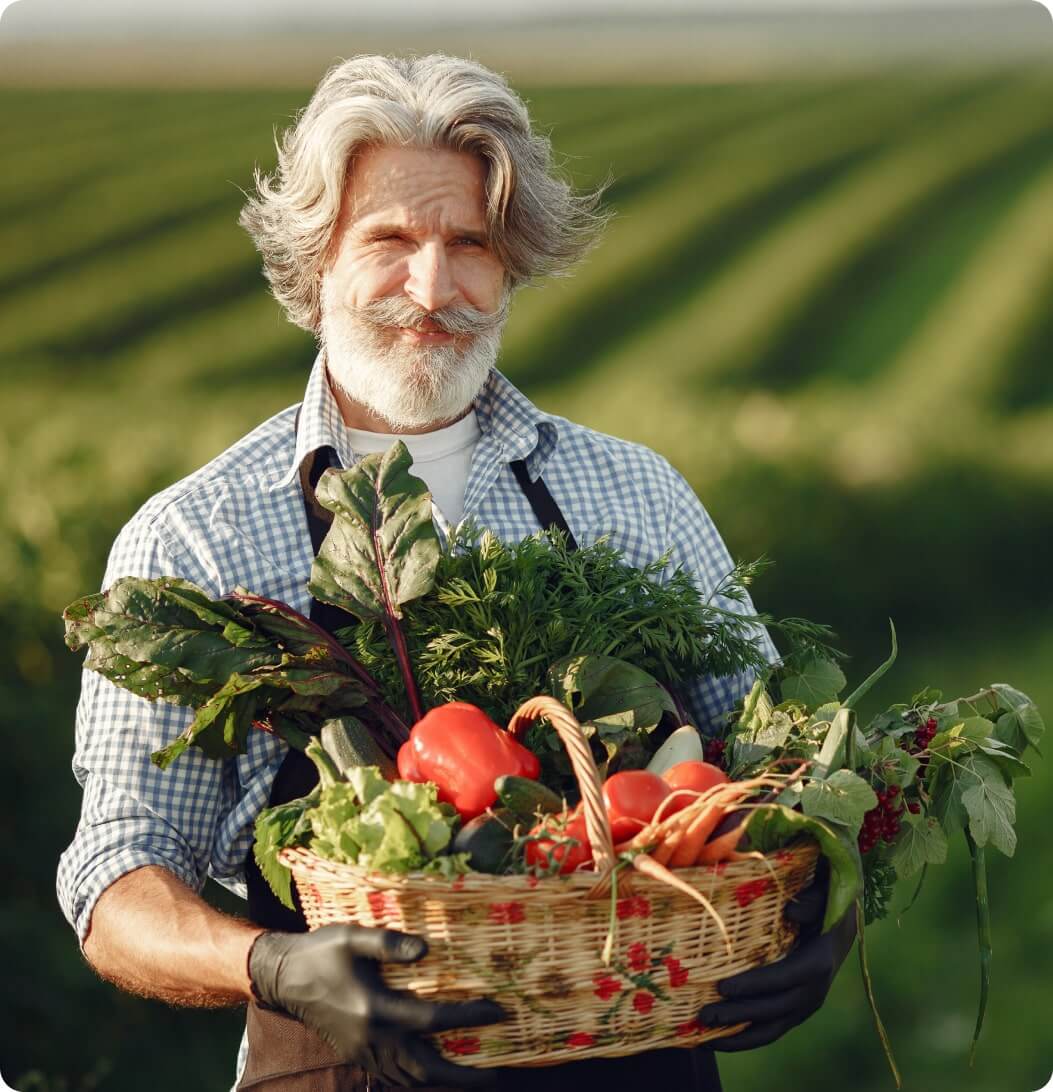
“Organic farming powered by technology is transforming how we grow food. The future looks sustainable and promising.”
Siddharth Mehta
“With better traceability and clean-label products, organic food is becoming smarter, safer, and more accessible than ever.”
Elina Roberts
Blockchain and Traceability in Organic Supply Chains
One of the biggest innovations in the organic sector is the use of blockchain and digital traceability. Consumers increasingly want to know exactly where their food comes from, how it was grown, and how it reached their plate. Blockchain technology allows brands to provide complete transparency from farm to shelf.
This builds consumer trust, prevents food fraud, and strengthens brand credibility in the organic market.
Growth of Plant-Based and Alternative Organic Foods
The future of organic food is strongly connected to the rise of plant-based diets. Organic plant-based proteins, dairy alternatives, cold-pressed oils, superfoods, and natural sweeteners are gaining massive popularity. Consumers are seeking organic alternatives to meat, refined sugar, and processed foods for health and ethical reasons.
This trend is creating new opportunities for innovation in organic product development.
Why the Future of Organic Food Matters
The future of organic food directly impacts public health, farmer welfare, food security, and climate protection. It offers a solution to rising chemical exposure, soil degradation, water pollution, and lifestyle diseases. Organic food is becoming a foundation for a healthier population and a more sustainable global food system.